Is an Equity Release Scheme for me?

This is a guest post from Becky

what-is-Equity-Release-SchemeAn Equity Release Scheme isn't something to enter into lightly, and you really need to understand what you're getting into before you sign up for one. There are three kinds of schemes, which will be discussed in this article, along with how they work and how to choose the right one for you.

What is an Equity Release Scheme?

With an equity release scheme, you're able to raise money against the value (or equity) of your home, without having to repay the loan. There are three kinds of release schemes: lifetime mortgages (you repay from your estate after you die), home reversion (you repay with the sale of your home after you die or enter into long-term care) or draw down lifetime mortgages (instead of a lump sum, you can pull money out of the fund when you need it).

How an Equity Release Scheme Can Help You

When you're facing difficult times or life's emergencies, an equity release scheme can really help you out. You can get all of the money you need by leveraging your equity into a lump sum in a lifetime mortgage, or just use a draw down mortgage to have the money there for you when you need it.

Who an Equity Release Scheme Works For

If you are considering a release in equity, you need to consider the consequences carefully. One of main driving forces behind an equity release scheme is retirement income. If you own your home in full, without a mortgage or excessive debts, a release scheme will work for you. But you do have to realize that you won't be able to pass on your home or property to your family when you pass on.

Who an Equity Release Scheme Doesn't Work For

An equity release scheme is prime for people who are retired, who own their own home in full and don't have to worry about leaving an inheritance to their loved ones. Since there are three different types of schemes, you'll want to choose wisely which one you use for your needs. If you're not good with a lump sum of money, check out the disbursements scheme with a draw down mortgage.

Either way you go, you'll want to make sure you're educated before you come to a decision about releasing equity in your home.

About the Author: Becky is an online lifestyle writer, with a keen interest in personal finances, thrifty living and ecological and economical solutions to problems. For more information visit her Twitter page @FreshHealth11


Read more...

Why Should a Small Business Use Cash Basis Accounting

This is a guest post by Rebecca Jones

small-business-and-cash-basis-accountingThe small business owners usually employ cash basis accounting method instead of the other choice to collect, record and report the financial information. The accounting information is nothing but an array of &company&rsquo financial transactions. The financial statements are generally the final result of a company &rsquo accounting procedure. The financial statements are usually prepared using two methods- the cash basis accounting and the accrual basis accounting. Generally the bigger business groups employ the accrual basis accounting method for their accounting work. Even the smaller groups have the choice of adopting it; however, it is always advisable for them to use cash basis accounting for many of the reasons as discussed below:

The features of cash basis accounting:

The method of cash basis accounting records only the financial transactions when you see cash changes hands. This method renders the small business owners with a simple and easy method of managing financial information. With this system the small entrepreneurs are able to maintain perfect record of the company’s cash flow. However, when you look at the accrual accounting method you have to record financial transactions as they arise or occur, irrespective of the cash changes hands. This method gives a clear image of financial transactions regarding all the business operations. So considering the simple and easy features of cash basis accounting, small business owners should choose this method over the accrual accounting method.

No need of cash flow consideration:

The businessmen while adopting the accrual accounting method have to develop a cash flow statement. So when it comes to monitoring the track cash perfectly, the accrual accounting method is considered to be notorious since it is unable to track the cash in the company’s general ledger. To fix such type of situation, you need to develop the cash flow statement to track all the cash inflows and outflows from your business operations. With the help of cash flow statements the business owners (including the smaller groups) can make out the difference between the net income and the cash flow in the business operations. The bigger businesses can employ a blend of both accounting methods, however, the small business owners do not require to follow such complex systems for their financial information. Or in other words they must simply follow cash basis accounting method which is free from such complications.

Cash Basis Accounting method are simple to manage:

The benefit of using cash basis accounting method is that even the small business owners without having a proper accounting background can manage it very easily. This method just need a fewer journal entries for creating financial statements and closing an accounting period. On the contrary, the accrual accounting method renders the businesses with detailed financial information in a number of specific accounting periods. This method can help companies with things like creating trend analyses to calculate the future sales revenues and the number of other business expenses pertaining to their operations. Any small business would not require such complex procedures and reports at their early stage, hence adopting cash basis accounting would be a better deal for them.

Both the cash basis and accrual accounting methods are considered to be approved accounting methods for the tax purposes. However, the GAAP (Generally Accepted Accounting Principles) needs specific companies to employ the accrual accounting method for their financial information maintenance. To be eligible for this method you need to be a company with five million dollars in your annual sales or have one million dollars in your annual inventory-based sales. Smaller companies do not usually fall in these requirements hence use cash basis accounting owing to the above reasons as discussed in the article.

About the author: Rebecca is a blogger by profession. She loves writing on Wireless Router technology. Beside this she is fond of Leather Bracelets. These days she is busy in writing an article on Wireless Bridge

Read more...

How Much Car Can You Really Afford

This is a guest post by Evan Fischer

how-much-car-you-can-affordWhen it comes to buying a new car, you’d be hard pressed to find anyone that would complain about going home with a brand new Ferrari or Tesla. And yet, most of us simply can’t afford these high-priced vehicles. However, that doesn’t stop most buyers from looking at (and even purchasing) automobiles that are out of their price range. But how does this happen? Even fast-talking salesmen can’t make you do something you don’t really want to. The truth is that most of us look at the sticker price on a car and mistakenly make this the magic number.

Unfortunately, this method fails to take into consideration the attendant costs that go along with automobile ownership. So if you’re trying to determine how much you can really afford when it comes to your car, here are a few things you’ll want to factor in.

1. Interest payments.

Salesmen will woo you by dropping the sticker price in order to get you in a buying mood (since you may not want to back out once you say yes to the full-court press). But you need to remember that unless you’re paying in cash, you’re going to have to contend with the interest payments that are part and parcel of financing a car. And they could raise your monthly payments significantly.

2. Extras.

Aside from interest, most cars come with all kinds of extra fees, some of them optional and others hidden amongst the fine print. So if you’re expecting that the sticker price is the one you’ll actually pay, think again. You need to go over the contract with a fine-tooth comb in order to make sure that you’re aware of all the fees going into the deal.

3. Insurance.

The cost of insuring your vehicle can be higher than you think, especially if you don’t stop to find out how your insurance company charges. Most will set higher rates on cars that are sporty (two-door), lack safety features, cost a lot to fix, or are easy to steal (as evidenced by the high theft rate). If you don’t have all the facts going in, you could end up on the hook for a lot higher insurance premiums than you’ve had in the past. And don’t forget that you’ll have to carry full coverage insurance until you buy the title from the bank.

4. Gas mileage.

With gas prices fluctuating pretty wildly from year to year (and even month to month) it can be hard to guesstimate how much you’ll be spending on gas over the life of your vehicle. But if you haven’t at least considered the prospect of purchasing an alternative-fuel or fully-electric car, then now is the time to do so. At the very least you should look for something with excellent fuel economy in order to save you at the pump. But if you’re really invested in saving more over time on the costs of operating a vehicle, it behooves you to look into eco-friendly options. They may be a bit more expensive initially, but keep in mind that there are federal tax rebates for plug-in hybrid and electric cars right now (as well as some additional state rebates, depending on where you live).

5. Maintenance.

Used cars are definitely a good way to save on upfront costs, but if you wind up with a car that is constantly breaking down, you might start you wish you had shopped around for flatbed trailers for sale instead. Although you will have some maintenance costs with new cars, major issues are covered by lemon laws. However, you should keep in mind these added expenses and how they factor into your budget.

About the Author: Evan Fischer is a contributing writer for Used Pontiac Engines, where used Pontiac engines are shipped nationwide daily.

Read more...

7 Ways to Make a Budget Work for You

This is a guest post from Joe Johnson

budget-that-workNot thinking about your debt, not sticking to a budget, and not controlling your spending patterns will only lead you down a path of despair. To enjoy your life and in your elder years, it is important to face your financial status and make plans to free yourself from companies that thrive on keeping you in debt for its own gains.

Take some steps, no matter how small, on the road to decreasing debt so that more of your money can be saved for things you truly enjoy doing, unexpected emergencies, or for an early retirement. Life shouldn’t be wasted worrying about money; it should be wasted on pure happiness. Take control of your future with these 7 tips.

1) Eliminate the use of credit cards.

Live on the money that you earn. It’s a false sense of wealth when you receive and use credit cards with high limits. Credit card companies will always entice you with spending more by increasing your credit limit, offering low introduction rates followed by high interest rates, and easy to use pre-printed checks. Take it and dump it in the trash. Credit cards are often useful for renting vehicles, as it provides rental car insurance. Ensure that you make the final payment with a debit card or cash. If you can’t trust yourself to pay off the credit card balance each month, then don’t consider using it. With the wide-acceptance of debit card that can be used as credit cards, there is no need to have more than one credit card. In addition to paying with a debit card, you can also use the best personal checks to ensure you are spending what you do have.

2) Establish an emergency fund for unexpected expenses.

This fund is strictly for emergencies only, and not something to be used for special occasion holiday or birthday gifts. It is for life’s unexpected expenses, such as your car breaking down, or an unexpected medical expense. Deposit a set amount from each pay check to create this fund. If not used for emergencies, it can always be a nice savings for retirement.

3) Establish an account for living expenses.

Take a percentage of the monies earned on your paycheck, usually around 10 percent, and deposit into another savings account. The total amount saved should be equal to no less than six months of your current annual salary. This fund can be used in the event you become unemployed or disabled. It provides the financial security in the unforeseen events of life.

4) If you have a lot of credit card debt, consider consolidating it.

Out of all the credit card offers that you receive, choose one that offers a zero percent interest rate for credit debt transfers. It is usually offered anyway from 6 to 12 months. If your debt is larger than what is allotted on low interest credit card, you may consider obtaining a consolidated loan from a financial institution that has much lower interest rates than you are probably paying on the credit cards.

5) Stick to a monthly spending budget.

Following your financial budget each month will keep you on track to financial stability. The extra monies saved each month should be applied to any outstanding debt.

6) Establish a debt free life.

Remain dedicated to your budget and pay for items in cash. Manage your money well by paying close attention to your bills and expenditures, and always ensuring that your income is above your expenditures.

7) Always shop with a list.

Whether you are shopping for groceries, household items, home repair items, gifts, or clothing, always create a list before leaving for the store. This simple process will keep you on track with your budget and your needs. Once you have gotten everything on your list, head to the cashier and pay for your purchases. Don’t linger and browse in a store, as this will only add to your temptation to spend more than you need to.

Review your budget monthly, create reserve savings accounts, make purchases with a debit card or with cheap personalized checks, and invest in retirement plans. Being smart with your money means many years of wealth and happiness in an unpredictable economy.

About the Author: Residing in Minnesota, Joe Johnson has been active in online communities for over 15 years. He enjoys helping families and individuals understand the importance of personal finances, such as saving and budgeting money, by contributing articles to related online web sites.

Read more...

Tips to Avoiding Investment Property Scams

This is a guest post by Sachin

Guide-to-Avoiding-Investment-Property ScamsThis article explains you five essential tips to recognizing and avoiding investment property scams

While there are plenty of legitimate property investment agencies and investment property seminars out there, many investors are still falling victim to property scams and the number of cases across Australia is rising!

Property scams usually involve prospective investors going to an investment seminar and meeting with an agent or a property “specialist”. These unsuspecting investors are then spun a golden tale about how they are going to make millions by following the agent’s particular investment strategy.

In reality, however, what these investors are buying into is an overpriced and potentially bad investment property. Furthermore, when they try to contact the agent they bought the property through, to ask why the investment property is under-performing, their agent has miraculously vanished.

Here are 5 tips to help you recognize and avoid falling victim to these investment property scams.

Tip 1: Don’t Fall For Unrealistic Promises

These property scam seminars often offer unrealistic promises, like “risk-free” investments, rent guarantees and becoming a multimillionaire in no time at all.

Firstly, no investment is ever risk free and with worldwide unpredictable rental markets you can never guarantee rental returns. Also, when investing in property, you’re investing in the long term. It’s unlikely that you are going to be living as a multimillionaire right away.

When going to an investment property seminar use your common sense! A wise investment is never based on a get-rich-quick ideology. And, if what they are promising sounds too good to be true — it definitely is!

Tip 2: Never Be Pressured Into Investing

Many investment property scams typically try to pressure you into investing large sums of money into an investment property or into their grossly over-priced investment strategy books.

If you’re attending a property investment seminar, listen to the information being given, but never be pressured into committing to anything. Keep an open mind, but don’t part with any of your hard earned money, especially if something doesn’t feel right.

Tip 3: Seek Independent Investment Advice

Most property scams try to convince you against seeking independent investment advice on the strategies they are offering. This can be problematic, as how do you know the advice you are being given is good investment advice?

Never commit to any investment strategy, without first seeking independent advice or a second opinion. Having another perspective can often prove if the investment advice you were initially given was good advice to begin with.

Tip 4: Check the Credentials of the Agency Group

Always research the credentials of the agency group (or the promoters of the seminar) who are trying to sell these investment property packages.

Ask around the real estate industry and see what the group’s reputation and history within the industry is like. Are they reputable? Are they experienced enough to be providing you with property investment advice? How long have they been working in the industry? It’s important that you find the answers to these questions.

If you can find nothing pertaining to their credentials, this will give you some indication of how much their advice is worth.

Tip 5: Make Sure You Have Their Contact Details

When looking into the people running these investment seminars, make sure they have a working office address and phone number. To ensure that the contact details they provide are legitimate, ring their office number and even make a spot visit to their office.

It’s important that you make sure their contact details are factual, because if things go wrong, you at least have a way of getting in contact with them and tracking them down.


Like to Add a Guest Post?
This post was written by a guest writer mentioned above. If you'd like to add a guest post in Money Hacker, please check out Welcome all Guest Writers page for details about how YOU can share your knowledge with our community.

Read more...

Is Buying A Lottery Ticket An Investment?

This is a guest post from Tino Sundin

lottery-investmentsLet me tell you a little story. About fifteen years ago, I invested $3000 into a certain company on the Toronto Stock Exchange. I had absolutely no experience with the stock market or any financial sense whatsoever. In fact, I knew nothing about the company that I invested in. To top it all off, I couldn't even afford to invest that kind of money. I was a student at the time and that was almost all of the money I had. But I did it. $3000.

Why did I invest almost all of my money in a company I knew nothing about? I don't know, it might have been greed. I wanted to become rich. See, a friend of mine, a guy that went to the same school as me, suggested I do it. His dad invested in it and told him it was a sure-shot. The company used to be listed on the exchange at $28. Then it fell to just 30 cents, which is the price I bought it at. My friend explained to me that the company would end up going back to $28 within a year. If his prediction came true, my $3000 investment would pay me $280,000 within a year. I was seeing dollar signs in my eyes. I was excited.

So what happened to my investment? After I bought at 30 cents, the stock kept dropping. It kept dropping until, finally, a few months later, the company went bankrupt. I lost all my money. I was devastated. It was at that time that a friend suggested to me that I would have been better off if I had just invested my $3000 in the lottery instead.

That was the first time I ever heard of anyone mention the words "investment" and "lottery" in the same sentence. Is buying a lottery ticket really an investment? Hmm. I started to think about that.

Normally, people would consider buying a lottery ticket a form of gambling. But then I thought, "Isn't what I just did a gamble?" After all, I put $3000 into a company I knew nothing about. How was that any different then buying 3000 lottery tickets? Then I thought that I would have been better off by buying 3000 lottery tickets because, even if I didn't win the jackpot, I'd have at least won a few secondary prizes. But that was just me thinking with a clouded mind.

Buying a lottery ticket is not really an investment. Most lotteries have a prize payout ratio of about 50%. That means that for every dollar people spend on tickets, about half of it gets paid out in prizes. Over the long term, more than 99% of regular lottery players will have lost money on the lottery. That's not an investment.

The $3000 investment that I made fifteen years ago wasn't really an investment because I was just gambling it blindly based on hearsay. Most people that make real investments will have a positive gain over the long term. That's the difference.

The lottery is just about spending a dollar on a hope and a dream - A hope and a dream become instantly rich. It's not an investment. Very few people, relatively, get to experience the thrill of winning a jackpot, though.

About the Author: Tino Sundin writes a lottery blog, featuring big jackpot winners from all over the world.


Like to Add a Guest Post?
This post was written by a guest writer mentioned above. If you'd like to add a guest post in Money Hacker, please check out Welcome all Guest Writers page for details about how YOU can share your knowledge with our community.

Read more...

5 Ways to Lower Your Car Insurance Premium

This is a guest post by Evan Fischer

how-to-lower-your-auto-insuranceThese days, just about everyone is scraping the bottom of the barrel to find ways to pay monthly bills and maybe even sock a little savings away. Thanks to the ongoing recession this is easier said than done. But when it comes to the cost of operating a vehicle, a necessity for most working adults, there are quite a few ways that you can cut back, from carpooling to DIY maintenance. And your auto insurance policy is like a treasure trove of savings if you know what to look for. So here are a just a few tips and tricks that will help you to quickly cut your costs so that the privilege of driving doesn’t turn into a burden.

1. Ask about discounts. Your insurance provider likely offers all kinds of discounts for meeting certain criteria, but you may have to ask in order to get them. Some that you will certainly want to look into are discounts for safe driving, low mileage, multiple drivers, multiple policies (auto and home, for example), safety features (like LoJack or other anti-theft devices), and even good student discounts for the teen drivers in your household. If you are eligible for even one of these rebates you could see a significant savings on your insurance rates.

2. Raise your deductible. If you’re a safe driver that is unlikely to be at fault for an accident, you may want to increase your deductible in a bid to lower your premiums. Of course, you will have to pay more out of pocket if you’re at fault for an accident, but the longer you go with a clean driving record the more you’ll stand to save.

3. Don’t double up on coverage. There are many parts to an insurance policy and each one comes with a cost. But if you’re already covered by another form of insurance, you don’t want to have to pay twice. And the main area that you can probably cut back is personal injury protection. As long as you have a stellar health insurance policy (along with disability and life insurance) there’s no reason you have to shell out for maximum coverage from your auto policy, as well. In fact, using the personal injury portion of your policy rather than health insurance to cover medical bills in the event of an accident could result in your premiums getting bumped, so go for the minimum allowed in your state and count on your health benefits to cover the rest.

4. Consider your car. The demographics and records of individual drivers aren’t the only thing insurance companies take into consideration when pricing a policy; they also look at the car you drive. If you’ve got a sporty convertible that only meets the minimum requirements in terms of safety features, has a history of being easy to steal, and costs a small fortune to repair, you could be paying a lot more for insurance. So when it comes time to buy a new car, do your homework to find one that is safe and affordable, or simply talk to your insurance agent to get a list of the cars they charge the least to cover.

5. Comparison shop. You wouldn’t necessarily buy the first house or car you looked at, so why are you still settling for the insurance policy your parents set you up with years ago? You could be paying a lot less for comparable coverage elsewhere and many companies will go a long way to win your business. At the very least, you could use this competitive knowledge to try to secure a better rate with the company you currently use.

About the Author: Evan Fischer is a contributing writer for Used Pontiac Engines, where used Pontiac engines are shipped nationwide daily.


Like to Add a Guest Post?
This post was written by a guest writer mentioned above. If you'd like to add a guest post in Money Hacker, please check out Welcome all Guest Writers page for details about how YOU can share your knowledge with our community.

Read more...

Teaching Children the Basics of Money Management

This is a guest post by Vic Lance of nation wide surety company

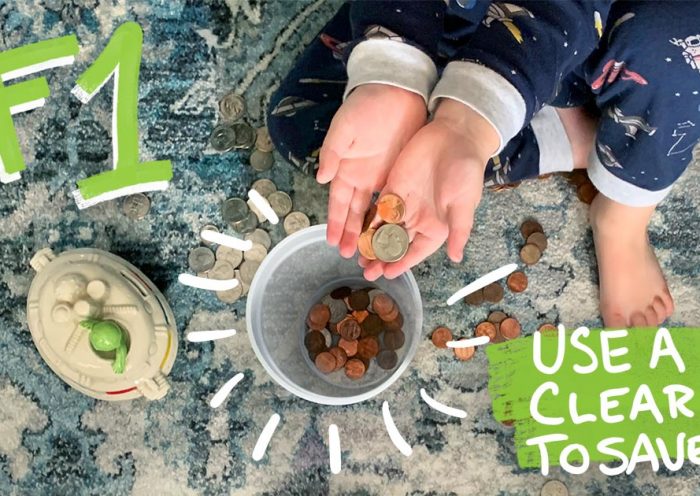
teaching-children-money-management-basicsFrom entertaining television ads to colorful Internet banners, your children are bombarded with advertising messages each day. You might think your kids don't need to know about budgeting until they get older, but it's never too early to start teaching them the importance of financial responsibility. Many experts recommend teaching kids about money from an age as early as three years old. As soon as your children are old enough to understand how money works, they're old enough to begin learning how to manage their finances. When you teach kids about money from an early age, they'll also be more responsible with their finances once they're on their own.

To teach your children about money, you'll need to provide them with regular income. Develop an allowance system that works like a regular paycheck. Give kids the same amount of money at fixed, regular intervals. This functions as a base salary that they can receive in return for performing certain chores or jobs. You can also provide incentive pay that works like a commission. Make a list of additional jobs or special tasks that kids can perform when they want to earn extra cash. While some parents prefer to separate household chores from monetary rewards, it's important to make sure you're teaching kids how to work in exchange for money. It's possible to teach kids about budgeting with a simple, chore-free allowance, but you can only teach them about earning through incentive-based pay.

Once kids have regular income, start talking about budgets. Experiment with different fiscal categories and determine how much your children should save, donate, invest and spend. Many parents allow their children to spend 50 to 70 percent of their earnings. The remaining money is divided between charitable causes, long-term savings goals and investment funds. In order to be sure your kids are learning, make sure they can define the concept of budgeting in their own words. Have kids explain their budgets to you using the terminology that makes sense to them.

When your kids understand how budgeting works, they can begin to set financial goals. Each time your child wants to buy something, discuss the cost and its proportion to his or her income. If your kids want to save up for more expensive items, help them understand how long they'll need to save in order to reach their goals. For many kids, a new video game might not seem as appealing once it's put into the perspective of saving for several months. Other kids will enjoy the challenge and the satisfaction of working toward a long-term goal. You should also consider whether additional money earned from chores or birthday gifts can go toward your child's spending goals. Some parents place the same budgeting restrictions on unexpected income, while others allow children to use the money freely.

Though kids might struggle initially to maintain willpower and resist spending, they'll be better off in the long run after learning about money management at an early age. You can maximize the value of these lessons by teaching kids how to save for unexpected expenses and future purchases. When kids learn to budget for the unexpected, they'll be prepared later in life to handle expenses like car repairs and medical bills. With careful planning and open discussions, you can teach your kids how to enjoy money while handling their finances responsibly.

About the author: Vic Lance is the owner of nationwide surety company. He helps answer the often-asked question: What is a surety bond? while guiding entrepreneurs through the start-up process.


Like to Add a Guest Post?
This post was written by a guest writer mentioned above. If you'd like to add a guest post in Money Hacker, please check out Welcome all Guest Writers page for details about how YOU can share your knowledge with our community.

Read more...

10 Steps to Improve Your Financial Status

This is a guest post from Joe Johnson

how-to-reduce-spendingWealth is measured by expenses and income. We are all wealthy; you just don’t know it yet!

Wealth is not measured by how much money you have in your bank account or by how many tangible items you own. Wealth is the difference between your expenditures and your income. The higher this ratio, the wealthier you are.

The process of reaching the goal of wealth is simple. You need to decrease your expenditures and save as much of your income as possible. Taking a close look at your expenditures and making different choice can elevate your wealth and allow you to be financially independent. Here are 10 advices to identifying wasteful spending and increasing your wealth.

1) Review bank fees. Large financial institutions charge fees for checking account balances, the number of checks you write in a month, and for using other bank’s ATM machines. Save on fees by switching to a local credit union where fees are minimal, if any, and order new personal checks online where it can be found at a cheaper rate.

2) Review monthly expenses. Keep all your receipts and billing statements for a full month. At month’s end review where your money was spent and identify areas that are not necessary, or that was provoked by impulsive spending. At times it is easy to just make a purchase by sliding that credit card through the machine, without realizing how it is adding up. Reviewing your expenses will give you a clear picture of your expenditures.

3) Make lifestyle changes. Cook enough dinner to allow for leftovers for the next night, prepare home lunch for yourself, spouse, and/or children, and brew your own coffee at home. Purchasing groceries on sale and with coupons can allow for more food to be purchased for making your own meals, instead of spending high costs on take-out food and fancy coffee.

4) Get a calendar and list all payment due dates. Having the due dates for bills available on a calendar, and giving yourself 5 days in advance to make the payments, can ensure that you are not being charged costly late fees. Receiving a late fee is like you never even made a payment, as it will increase the balance on the bill for the next month.

5) Be positive. Don’t be afraid of bills or money. Look at is as a process in life – that’s it. Be grateful for what you have and take small steps each month to gain financial freedom. Understand that it will not happen overnight, but it is okay.

6) Stop and think. Is the purchase you are about to make something that is needed or something that is wanted? Many people get into financial trouble through impulsive buying, which is usually accompanied by the use of a credit card. Think – do I have the cash on hand? Can I afford to make this purchase now or can I wait and save some money?

7) Search for free entertainment. It doesn’t cost a dime to have fun. Take a walk in the park and enjoy the beauty that surrounds you. Plan a picnic at a nearby park or beach. It’s amazing how sandwiches, chips, and fruit taste so much better when packed as a picnic meal. Enjoying the outdoors has no cost, except relaxation and fellowship.

8) Set and stick to a debt pay off goal. Stop charging purchases. Use your budget to keep track of the debt owed and the progress made each month to decreasing that debt. Seeing the debt decrease will make you feel good and more likely to stick to your goal.

9) Clip coupons and bargain hunt. Check your local Sunday paper for coupons, as well as coupon websites for additional savings on items you routinely purchase. There are many discount and thrift stores in communities, or online bargain shopping sites like EBay where items can be purchases at reasonable costs.

10) Decrease impulsive buying and create lists. Create a shopping list before entering a store. Have a plan and stick to it. Research has shown that those who use shopping lists are less likely to engage in impulsive buying.

You will feel great with having control over your finances and increases your wealth each month. Stay away from using credit cards, and stick to using debit cards and personalized checks cheap to eliminate the chance of reverting back to large amounts of debt.

The third article in this series will deal with building you a stable financial future.

Author Bio: Residing in Minnesota, Joe Johnson has been active in online communities for over 15 years. He enjoys helping families and individuals understand the importance of personal finances, such as saving and budgeting money, by contributing articles to related online web sites.


Like to Add a Guest Post?
This post was written by a guest writer mentioned above. If you'd like to add a guest post in Money Hacker, please check out Welcome all Guest Writers page for details about how YOU can share your knowledge with our community.

Read more...

Roth IRA vs Traditional IRA

This is a guest post by Matt Robinson

guide-to-roth-ira-vs-traditional-iraAre you trying to decide between a Roth IRA and a Traditional IRA? While they are both great saving retirement account options, there are some significant differences between the two.

Here is a breakdown of each type of account, including information on contribution limits and more:

Roth IRA

A Roth IRA is considered to be a tax-exempt at withdrawal account, meaning that - as long as you meet all account requirements - you do not pay taxes on money that you withdraw from your account. It also means that you will not be taxed on your IRA account earnings.

Here are the basics of a Roth IRA Account:

- As long as all requirements are met, your contributions are tax-exempt upon withdrawal.

- The contributions that you make to your account are not tax-deductible and will not adjust your annual gross income (AGI).

- Your account must be open for a minimum of five years before you can make withdrawals without incurring penalty fees.

- You must be 59½ years old to avoid early penalty withdrawal fees.

- If you withdraw early, you will be assessed taxes and a 10% penalty.

- There are some exceptions that will allow you to make early withdrawals without being penalized, including making a withdrawal as a first-time home-buyer.

- There are income limits for Roth IRA contributions. Single filers who earn over $95,000 and joint filers who earn over $150,000 do not qualify to fund a Roth IRA.

Traditional IRA

A Traditional IRA is considered a tax-deferred retirement savings account. This means that when you make contributions to your Traditional IRA, the money is not taxed at the time of the contribution, but is instead taxed when you begin to make withdrawals.

Here are the basics of a Traditional IRA:

- Contributions are not taxed, thereby lowering your annual adjusted gross income - in some instances even bringing you down to the next lowest tax bracket.

- Your contribution earnings are taxed at the time that you withdraw money from your account.

- You can begin to make withdrawals at 59½ and must begin making minimum withdrawals at age 70½.

- If you withdraw funds early, you will be assessed a 10% penalty fee.

- There are several withdrawal exceptions, including an exemption for withdrawals made for higher education expenses.

- There are no income limits for contributing to a Traditional IRA.

Contribution Limits for 2011

There are contribution limits for both Roth and Traditional IRAs. For the 2011 tax year, the IRA contribution limits are as follows:

- If you are under the age of 50 at the end of 2011, you can contribute a maximum of $5,000 (combined) total to your Roth and Traditional IRA accounts.

- The contribution limit can either be split between the two accounts or deposited into just one.

- For Roth IRA holders - depending upon adjusted gross income - the contribution amount may be reduced. If your taxable earnings exceed the maximum income level, you may not be able to make any contributions at all.

- If you are over the age of 50 at the end of 2011, all of the aforementioned criteria remains the same; however, your contribution limit is higher, at $6,000.00.

Which Type of Account is Right For Me?

Deciding between a Traditional and Roth IRA can be tricky for some. While many investors would say a Roth IRA is the way to go - since the long-term tax benefits are typically greater - there are other things to consider as well. For many, the lowered AGI from contributing to a Traditional IRA can make a significant difference in one's tax bill. Additionally, if your AGI is above the income limits for a Roth IRA, you will only be able to make contributions to a Traditional IRA account.

The bottom line is that you will have to look at your particular situation and determine the IRA account type that makes the most sense for you.

About the Author: This guest post was provided by Matt Robinson, whose website, TaxDebtHelp.com, helps taxpayers understand and resolve a number of different tax problems, including IRS tax liens, bank levies, tax audits, unpaid taxes and more. Matt's website also features a popular tax blog that provides information about recent tax changes and advice on how to reduce tax liability.


Read more...

5 Tips to Beating the Economy Slump

This is a guest article by Joe Johnson

tips-to-beat-economic-slumpDo not allow the economy to determine the level of your financial wealth. Design a budget that meets your needs and take control of your finances.

There is no need to succumb to the world’s unstable economic times. You wouldn’t go on a traveling vacation by just showing up at the airport. You would create a plan that includes the destination, lodging, and places you want to visit. This is the same thing with your finances. If you choose to ignore the ratio of your income to your expenses, you will drown in the waters of debt and allow the economy to determine your financial status.

Take direction and create a monthly budget. You need to stop feeling sorry for yourself in thinking that you are just living paycheck to paycheck. Stop creating debt with credit cards, and begin using a debit card or personal checks so your payments are done with the cash you have. Take control of your finances by following these tips to create a successful budget.

Know your income

This is simple. We all know how much money we make each month. Gather your pay stubs and review your deductions to ensure that items being deducted are correct. If you are not saving for retirement, now would be the time to do so. Also take advantage of flexible spending accounts that are tax free if you have expected child care or medical costs.

Know your expenses

For one month, save receipts from everything you spend your money on. This will help you identify where you are spending your money and what you are spending your money on. It’s amazing how fast small purchases here and there can add up to large amounts of expenditures.

Also keep receipts or statements for all your routine bills, such as cable, electricity, water, gas, car insurance, mortgage, or house rent. In addition, collect all your credit card statements for the month. You will also want to reorder personal checks and add this expense to your list, since you will be moving away from credit card dependence.

Analyze your expenses


After a month of tracking all your expenses, divide it into categories, such as groceries, utilities, household items, clothing, tuition, entertainment, eating out, loans, and credit cards. Add up the totals for each category – this is where your money is going.

Divide the expenses into what is necessary and what is not necessary, like the tenth pair of shoes to add to a collection that still have price tags on them. Be honest with yourself. You know what expenses are essential, and you know which expenses you could live without or just buy on impulse.

Create your budget worksheet

Get an expense journal, a computer spreadsheet program, or just a plain notebook to begin establishing a planned budget. On the top of the sheet log your household income. Under your income you will log all your routine expenses, such as cable, Internet service, electricity, and car insurance. Before logging these expenses, review each bill to ensure that you are utilizing all the services you are paying for. For example, maybe it is not necessary at this time to have certain cable channels on your service. That could save you almost a $100 in one step.

Next, list all loan and credit card bills that are routine and necessary for you to remain in good credit standing. List the credit card bills in order of the one with the highest interest percentage first, as this is the one you will work on paying off first. In addition, this is the area that you want to pay particular attention to. You need to STOP using credit cards. There is no way you can pay down debt if you keep creating debt.

After your routine and necessary expenses, include estimated totals for groceries, household items, as vehicle maintenance (gas, oil, etc.). Now deduct your expenditures from your income – this is your reality.

Work your plan. Use this budget as your monthly guide. Each month adjust and create another spreadsheet, referring to your original log as a guide to spending. Each month you should see additional savings.

Following a budget will keep you from being affected by the economy and will put you on the path to financial freedom. Stop using credit cards. Switch to debit cards or personal checks cheap with free shipping. Credit cards only create a false sense of wealth.

This is the first part of a three-part series in surviving the economy. The second article in this three-part series will provide additional information on reducing spending.

About the Author: Residing in Minnesota, Joe Johnson has been active in online communities for over 15 years. He enjoys helping families and individuals understand the importance of personal finances, such as saving and budgeting money, by contributing articles to related online web sites.


Read more...

Life Insurance:The Basics

This is a guest article by Life Insurance Quotes, UK

basics-of-life-insuranceDo you feel as though you need a PhD in Economics to understand how to choose the right life insurance for you? Get in line. Life insurance was once an easy purchase to make, and the options you had were very simple and straightforward. Now, there are thousands of different kinds of plans, and the sheer number of options is simply mind boggling. Make sure you understand the basics of life insurance before you select a plan so you don’t find yourself buying blind.

Term vs. Whole Life Insurance

The first step to understanding life insurance involves grasping the difference between term and whole life insurance. Term life insurance is essentially an insurance product that you buy to cover yourself for a limited, defined period. The length of time varies based on your needs and the conditions of the policy. The term you choose could be as little as one year, but most term life policies last somewhere between 10 and 30 years.

On the other hand, whole life insurance is a life insurance policy that stays active throughout a person’s entire (hence, “whole”) life. In most cases, policyholders must pay their premiums for a whole life plan every year to keep the policy active. When you have a whole life insurance policy, it remains in effect until you reach a very old age if your policy specifies it. If not, the policy stays in effect until you die.

There are many other kinds of life insurance plans available if you are looking for more than just a death benefit. For example, a variable life insurance plan provides a death benefit, but it also offers a fund on the side that operates much like an investment account. There are other varieties of life insurance as well, but for the sake of sticking to the basics, term and whole life are the most important types you should understand.

Analyzing Your Life Insurance Needs

When you are deciding which life insurance product is right for you, the first step is to analyze your needs. This essentially means figuring out what the economic needs of your dependents will be once you have passed away. You should consider your current financial situation, and use it as a gauge to determine the standard of living you desire for your dependents after you’re gone. In addition, you should factor in any outstanding bills that you would leave behind, as well as any funeral costs your death would incur. When you are figuring up how much life insurance you should buy, imagine the amount your family would need if you died immediately. This is the best way to determine what your current life insurance needs are before you buy.

You should evaluate your life insurance policy periodically as well. Life changes quickly, and life events such as the loss of a job, divorce, the birth of a child, marriage, or even a major purchase such as a new home can all dramatically impact the amount of life insurance coverage you need. Many experts agree that re-evaluating your coverage at least once every five years – or whenever you experience one of these major life events – is the best rule of thumb. As you get older, you need for life insurance should decline significantly due to less people depending on you for financial support.

About the Author: This article was provided by Life Insurance Quotes – A comprehensive guide to some of the largest and most well-respected life insurance providers in the UK.


Like to Add a Guest Post?
This post was written by a guest writer mentioned above. If you'd like to add a guest post in Money Hacker, please check out Welcome all Guest Writers page for details about how YOU can share your knowledge with our community.


Read more...

Little Known Ways to Reduce Monthly Expenses

This is a guest post from Scott Hersh

who-to-reduce-monthly-expensesDo you understand all of the laundry list of expenses that appear on your billing statements? If you are like most people, the answer is probably “no.” By taking a good look at your monthly expenses, you will probably be able to save a lot of money on a monthly basis. The even better news is that just by setting aside a few hours, one time, you will reap the benefits on a residual basis. In other words, put in a few hours of work now, and save indefinitely.

Many people lose a lot more money from recurring expenses than they would like to imagine. As a result of mistaken charges, fake charges, or unnecessary charges, your money may gratuitously be being leeched out of your pocket. You don’t need to let that happen. Let’s take a look at some methods of preventing these unsightly wastes of money.

Upon inspection, you might quickly realize that there are certain bills that you are still paying for without really needing to. I personally had this happen to me when I realized that in the summers I would rarely go to the gym to work out, because I prefer taking advantage of the nice weather, and working out outside instead. After some simple calculations, I realized that by paying for monthly memberships, at the gym, for the months that I actually go, and not paying for the months that I workout outside, as opposed to paying for an annual membership, I could end up saving money. Therefore, when my annual gym membership ended in April of last year I did not renew it. The folks at the gym called me up to ask why I had not renewed my membership. I told them about my calculations, and they offered me the same annual membership for half the price of what I was paying before. That is only one of many examples of why it pays to filter out unnecessary expenses.

When checking over your bills for ways to save money you may come across various service charges and taxes that you don’t understand. You have probably noticed those pesky little charges and wondered what exactly they are for. Often times the only purpose of certain service charges and taxes are to increase the billing company’s revenue, and at your expense. In order to deal with these charges I recommend calling up the company and asking them to explain every detail of your bill. After they have satisfactorily helped you to understand your bill, ask them for a discounted rate. Even if all of the charges on the bill are valid and necessary, it doesn’t hurt to ask them what they can do for you to keep you a happy customer. When you do humbly request a discount, it won’t hurt to mention that you are considering using the services of one of their competitors.

It is all too easy to let service providers send over a bill without checking over the details. The truth is that, when you pay the money, that money is gone whether you pay in cash, credit, or by being charged automatically. Taking a few hours to consider how to reduce expenses can save you a lot of money in the end. In the timeless words of Benjamin Franklin, “A penny saved, is a penny earned.

About the Author: Scott Hersh is a business blogger for BCAblog.com the official blog of BusinessCashAdvance.com, leaders in merchant financing.


Like to Add a Guest Post?
This post was written by a guest writer mentioned above. If you'd like to add a guest post in Money Hacker, please check out Welcome all Guest Writers page for details about how YOU can share your knowledge with our community.

Read more...

Hiring a Roofing Company

This is a guest post by Jag Sandher

hiring-roofing-companyChoosing the right roofing company is crucial if you are looking for quality work. Roofing companies are not all equal. There are some with more experience than others and some that simply just do a better job. This article is designed to help you to pick a roofing company for your home or commercial space. Here are some things to look for when choosing a roofing company:

Estimation:

A quality roofing company will have a qualified estimator visit your home or commercial space to consult with you on your requirements. Beware of roofers that do not do any actual measurements or discuss roofing materials with you. A good roofer or roofing company will do the following:

- Make accurate measurements
- Recommend the right roofing materials
- Make recommendation based on what your budget and needs are
- Have a clean and organized vehicle

Experience Matters

A roof or re-roofing job is no small task. It is the most important part of a building. You want to make sure the person that is installing it knows what they are doing. You can buy the most expensive roofing materials, but if the roofer, or roofing company has no idea what they are doing your money will go to waste. Ask the roofing company for references, ask for jobs they have done in the past, and also look to see if they have been recognized by any industry standards. Most roofing materials manufacturers offer training on how to install their products, look for these designations on roofing companies’ websites.

Cheapest doesn’t mean the best

When making an investment into your roof you do not want to cut costs. Be sure to shop around and get different prices. If you notice a certain roofing company is priced higher than others, figure out why that is. In most cases the company that is charging more has taken into account all the real costs of the roof, they know what is required to do the best job possible. The last thing you want to do is save $500 today and have a $5000 repair down the road. You want to make sure the roofing company does a good job, do not be afraid to spend a little bit more for future savings.

Written Agreements

As with all construction it is important that you have a written agreement with the roofing company you choose. A written agreement will ensure there are no surprises down the road with cost overruns, or unexpected issues. You want to make sure this agreement clearly sets out:

- Materials to be used
- Timeline of completion
- Safety and insurance information
- Pricing details

Be sure to do all the necessary research before you pick the right roofing company. Every roofing company claims they are the best, but you need to be able to sort through to figure out which company is best for your roofing job. Use this article as guide when getting roofing estimates, remember to ask the right questions, and good luck with your new roof!

About the Author: Jag Sandher is a Freelance and Staff writer who writes informative articles on roofing services in different areas. He is an expert on topics related to Roofing Company, roofing installation, etc.


Like to Add a Guest Post?
This post was written by a guest writer mentioned above. If you'd like to add a guest post in Money Hacker, please check out Welcome all Guest Writers page for details about how YOU can share your knowledge with our community.

Read more...

Can Investing in a Health Savings Account Save you Money?

This is a guest post by Eliza Morgan

investing-in-health-savings-accountGetting sick is expensive. For those of us that are lucky enough to have medical health insurance, we get some sort of financial relief. But deductibles continue to get higher and higher, which means out-of-pocket expenses can still be pretty steep. Not to mention, without careful research, you may just consent to a procedure that is not covered by your insurance and get stuck with a hefty bill. In other words, you need to be prepared for unexpected medical costs.

A good way to ensure that you always have a nest egg in case an unexpected medical expense arises however is to add on a health savings account through your coinciding bank and health insurance plan. A health savings account (HSA) allows insurance members to choose how much money is removed from their pay checks each month. That money is then placed on a health debit card that members can use at any time, as long as it's used to pay for medical bills and related services, such as prescriptions and co-pays.

It's designed to save you some money (not a huge number but a good amount) because the money is removed from your check before taxes are taken out. It also grows in the account tax free. Thus, depending on how much you allow to be taken out of your check each month will determine how much you actually save. It's great for those that already know they have costly procedures coming up that their health insurance will not entirely cover. That said, to learn some additional pros (as well as some cons of an HSA) and to see if it can save you some money in the long run, continue reading below.

Pros

• Roll Over Funds: The funds allocated on your health insurance debit card are carried over to the following year. This means you don't have to hurry up and use the money before the year is up and will have an even bigger cushion the following year— i.e. there is no "use it or lose it" policies. And if you happen to switch jobs or healthcare plans, you still own the account through your bank. So your money is protected.

• Possibility of Further Investments: Similar to an IRA, an HSA can actually be invested. So once a member turns 65, he or she can make withdrawals for medical expenses tax free while non- eligible medical expensive will be taxed regularly. You also have the ability to transfer money from your existing IRA to your HSA.

Cons

• High Deductibles. In order to be eligible to make a HSA you have to have a healthcare plan with a high deductible; At least $1200 (single) or $2,400 family.

• Added Fees. Almost all HSAs require annual or monthly fees to keep the accounts open. They typically aren't much, about $5 a month, and usually go away once you cross a certain amount of threshold.

*Since it's a New Year, most insurance plans are giving members the opportunity to add HSA by the end of January. So if you wish to add one and to see if you're eligible, it's important to start looking into it now.

About the Author: This is a guest post by Eliza Morgan who is a full time blogger. She specializes in writing about business credit cards. You can reach her at: elizamorgan856 at gmail dot com.


Read more...

  Ü© 2007-2010 Money Hacker - An Un-Copyright Personal Finance Blog

Back to MH Home  

x

Get MoneyHacker Articles via Email

Enter your email address:

Delivered by FeedBurner